
Designing a Winter Garden: How to Create a Beautiful Outdoor Space All Year Round
When we think about garden design, it is often summer that comes to mind. Long evenings outdoors, lush planting, colourful borders and outdoor entertaining. But some of the most beautiful gardens are designed with every season in mind, and winter can be one of the most rewarding.
For London homes in particular, where gardens are often smaller and every square metre matters, thoughtful garden design can transform an outdoor space into something that feels just as considered and inviting in January as it does in July.
At Rudolph Diesel Interiors, we believe that the relationship between a home and its garden should feel natural. The garden should not simply stop at the back doors. It should become part of the experience of the home, with views, materials, planting, lighting and architecture working together.
Why winter garden design matters
A well-designed garden should not disappear when the flowers have faded.
Winter provides an opportunity to focus on the elements that give a garden its structure and personality throughout the colder months. Evergreen planting, sculptural trees, beautiful paving, architectural plants, considered lighting and carefully positioned furniture can all create an outdoor space with atmosphere, even on the greyest London day.
The Royal Horticultural Society recommends thinking about elements such as height, repetition, depth, framing and seasonal change when designing a winter garden. These principles are particularly useful in London, where gardens can be compact and need to work hard visually.
Rather than designing a garden that looks beautiful for three months of the year, the aim should be to create a garden that evolves.
Bring the warmth of your interiors outside
One of the most interesting interior design trends in London at the moment is the move away from stark minimalism towards spaces that feel warmer, more personal and layered.
Earthy colours, dark woods, natural materials, tactile fabrics, handcrafted pieces and antiques are all contributing to a more collected and characterful approach to interiors.
There is no reason this philosophy should stop at the back door.
A garden can echo the materials and colours used inside the house. Timber, stone, aged metals, textured ceramics and natural woven materials can create a visual connection between the interior and exterior.
Even something as simple as continuing a flooring material from an interior space onto a terrace can make a garden feel like a natural extension of the home.
Choose planting that works in winter
Winter planting does not need to mean sacrificing beauty.
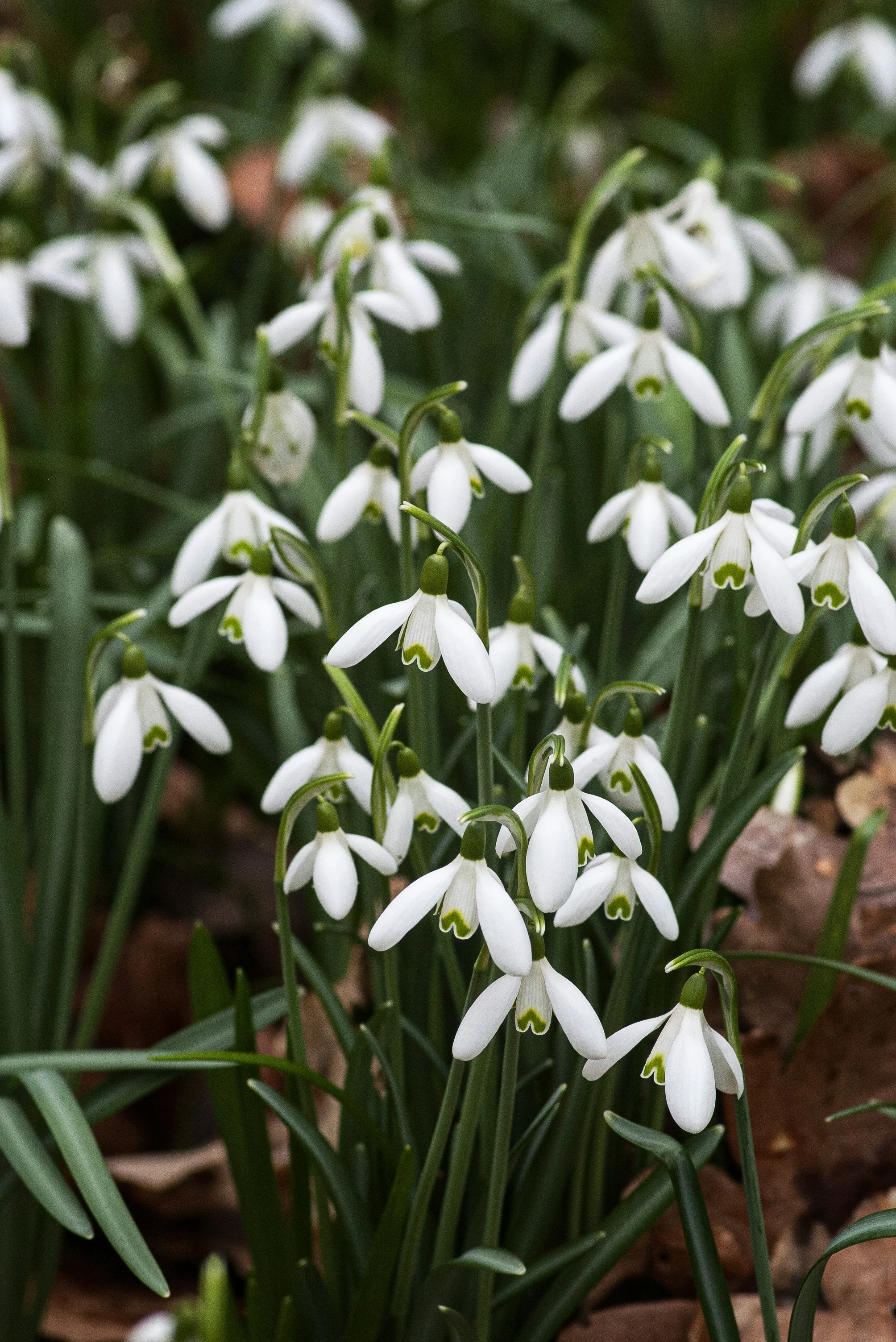
Evergreens provide structure when deciduous plants have lost their leaves, while winter-flowering shrubs, berries, ornamental grasses and colourful stems can bring interest when the garden needs it most.
Hellebores, cyclamen, dogwoods and winter-flowering shrubs are just some of the plants that can bring colour and texture into a winter garden. The RHS also recommends using repetition and layers of planting to create a stronger sense of cohesion and depth.
For London gardens, it is also worth considering how planting will cope with increasingly unpredictable weather. The RHS has identified climate resilience and plant diversity as important gardening considerations, with greater interest in plants that can withstand changing conditions.
The result should not feel like a garden that has been designed simply to survive winter. It should feel intentionally beautiful during it.
Think vertically
When space is limited, look upwards.
Trees, pleached planting, climbers, pergolas and carefully positioned screening can introduce height and create a sense of enclosure without taking up too much valuable floor space.
Vertical planting can also help frame views from inside the house. A beautiful tree positioned outside a dining room window, for example, can become almost like a piece of living artwork.
This is where interior design and garden design become particularly interesting. The view from a window should be considered in much the same way as a piece of artwork hanging on a wall.
Lighting can transform a winter garden
With shorter days and longer evenings, garden lighting becomes especially important during winter.
The right lighting scheme should not make a garden feel overlit. Instead, subtle pools of light can highlight trees, architectural planting, steps, pathways, walls and seating areas.
Warm, low-level lighting can create atmosphere while also making the garden feel connected to the rooms inside.
Imagine sitting in a beautifully designed living room on a winter evening and looking through the windows to see softly illuminated trees, textured planting and architectural forms outside.
The garden becomes part of the room.
Create somewhere to sit
A garden does not have to be warm to be enjoyed.
A sheltered seating area, pergola, outdoor fireplace or fire pit can encourage us to use our gardens for longer throughout the year. Add throws, cushions and carefully chosen outdoor furniture and the experience becomes much more inviting.
Outdoor living is increasingly becoming an extension of the way we use our homes, and the boundary between indoor and outdoor spaces continues to soften.
In a well-designed garden, furniture should feel considered rather than simply functional. The same attention given to selecting a beautiful sofa or armchair indoors can be applied outside.
Make the garden visible from inside
Perhaps the most important consideration when designing a garden for a London home is remembering that you will often experience it from indoors.
During winter, this becomes even more apparent.
When the doors are closed and temperatures drop, the garden becomes a view rather than a destination. This means the composition of the garden needs to work from the kitchen, living room, bedroom or dining room as well as from the terrace.
Consider what you see when you look outside.
Could a tree frame the view? Could a beautiful sculpture create a focal point? Would architectural planting provide interest? Could lighting bring the garden to life after dark?
Good garden design considers both sides of the glass.
London gardens are becoming more individual
The wider interiors landscape in London is moving towards individuality and personality. Recent design shows have highlighted handcrafted materials, richer colours, dark timber, tactile surfaces and more personalised interiors.
We are seeing a similar desire for character outdoors.
Rather than creating gardens that look as though they have come from a template, homeowners are increasingly looking for spaces that feel personal to them.
That might mean incorporating an antique garden table, a sculptural piece of stone, handmade ceramics, unusual planting or a bespoke seating area.
The best gardens, like the best interiors, do not necessarily look brand new. They look as though they have evolved.
Designing for all four seasons
A beautiful garden should tell a different story throughout the year.
Spring might bring blossom and fresh green growth. Summer introduces flowers, fragrance and outdoor entertaining. Autumn brings rich colour and texture. Winter strips everything back, revealing the structure of the garden and allowing individual details to shine.
This seasonal change is not something to fight. It is something to design around.
A garden with good bones will remain interesting even when it is not in full bloom.
Bringing the house and garden together
At Rudolph Diesel Interiors, we believe the most successful homes are those where every element feels connected.
The architecture, interiors, lighting, furniture, materials and garden should work together rather than feeling like separate design decisions.
For London homeowners, this can be particularly valuable. Gardens may be smaller, overlooked or irregularly shaped, but thoughtful design can turn even a compact outdoor space into something extraordinary.
A winter garden is not simply about choosing plants that survive the colder months. It is about creating an outdoor space with structure, atmosphere, texture and personality that can be enjoyed throughout the year.
Because a beautifully designed home should not end at the back door.
It should continue outside.